
What is a refurbishment strip out?
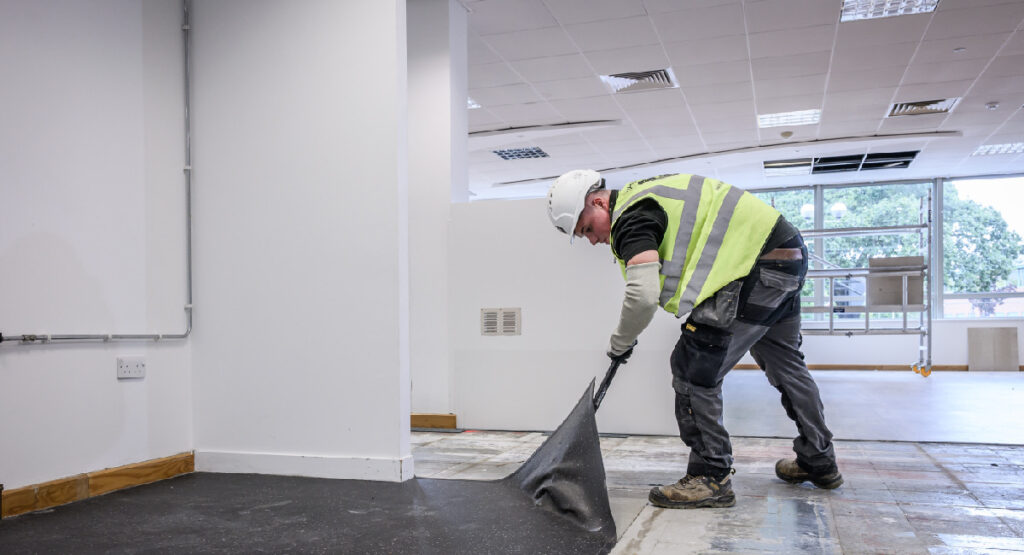
A refurbishment strip out, also called a soft strip, involves the removal of non-structural elements within a building while retaining its main structural components. This typically includes internal fixtures and fittings, partitions, suspended ceilings, floor coverings, mechanical and electrical services, sanitaryware and other internal finishes.
The building’s structural frame, floors and, where required, external facade remain intact. This process prepares the building for refurbishment, redevelopment or a new internal fit-out, leaving it in a shell and core condition.
What is full demolition?
Full demolition involves the controlled dismantling or removal of the building’s structure, typically down to ground level or below, depending on the project requirements.
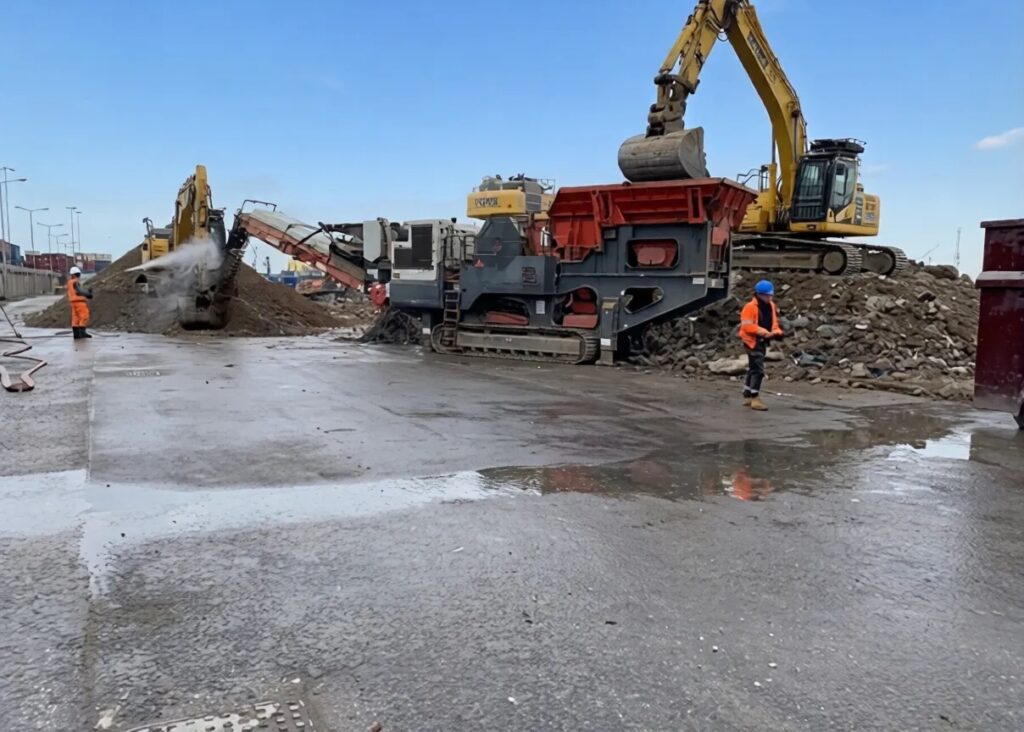
Unlike soft stripping, demolition removes the building’s structural elements, including walls, floors, roofs and supporting framework. The process requires careful planning, appropriate asbestos surveys, relevant notifications where applicable and suitable temporary works designs where structural elements are being supported or retained.
Determining the right approach
The decision largely depends on the future use of the building and whether its existing structure is to be retained.
Where a building is being refurbished, converted or prepared for a new tenant, soft stripping is generally required to remove the existing internal fit-out while preserving the structure.
Where a site is being cleared for redevelopment or the existing building is no longer required, full demolition is usually the appropriate solution.
Some projects require a combination of both. Facade retention, for example, involves carefully stripping the building internally before demolishing the remaining structure, while retaining and supporting the external facade through a suitably designed temporary works scheme.
How the approach affects the project
The choice between soft stripping and full demolition can have a significant impact on project delivery:
- Programme: Soft stripping can often be phased floor by floor and coordinated alongside other construction activities. Demolition generally requires more extensive sequencing, exclusion zones and site controls.
- Material recovery: Soft stripping allows materials to be separated into individual waste streams, supporting reuse and recycling. Demolition typically generates larger volumes of concrete, masonry and steel for processing and recovery.
- Asbestos surveys: Both activities require appropriate asbestos survey information before work begins. The survey type depends on the proposed scope, with fully intrusive refurbishment or demolition surveys required where the building fabric will be disturbed.
- Noise and dust: Soft stripping can often be managed within or alongside occupied environments, subject to suitable controls. Demolition requires more extensive dust, noise and vibration management measures.
One contractor, from strip out to demolition
At Demex, we undertake both soft stripping and full demolition, allowing us to manage projects from initial internal clearance through to complete structural removal.
Where project requirements change once the building fabric is exposed, having one contractor responsible for both activities allows us to adapt the programme, coordinate resources and maintain continuity without the need to appoint additional contractors.
Whether the requirement is a targeted internal strip out, a complete structural demolition or a combination of both, we provide a coordinated approach tailored to the project.