
Metal recycling and steel recovery
Ferrous and non-ferrous metals are recovered and segregated on site before being processed through our group, with full supporting documentation.
Metal Recycling
Recovering value from metals
Demolition projects can generate significant quantities of recoverable steel and other metals. By separating these materials on site rather than sending them away mixed, we maximise their recovery value and ensure they are handled responsibly. Through our group, recovered metals are processed, weighed and fully documented, providing clear traceability and ensuring their value is accounted for as part of the project.
What we do
Our metal recycling services
Ferrous recovery
Structural steel and rebar recovered and segregated as demolition progresses.
Non-ferrous
Copper, aluminium and lead carefully segregated, recorded and managed for recovery and recycling.
On-site segregation
Segregated on site at the point of recovery, rather than mixed and sorted later.
Processed within the Ron Hull Group
Recovered materials are processed in-house through our wider group operations, keeping recovery and recycling within the group.
Weighed and fully documented
Clear weight records and supporting documentation, providing a transparent record of recovered materials.
Recovery value accounted for
The value of recovered materials is credited against the project, supported by accurate weighbridge records and documentation.
How it runs
How our metal recycling projects run
-
Identify
What metal is in the structure, and what it is worth, before the price is set.
-
Separate
Segregated as the demolition proceeds.
-
Process
Through group facilities with full documentation.
-
Account
Weights and values reported back against the contract.
In detail
Recovering the value in the structure
Maximising the value of recovered materials
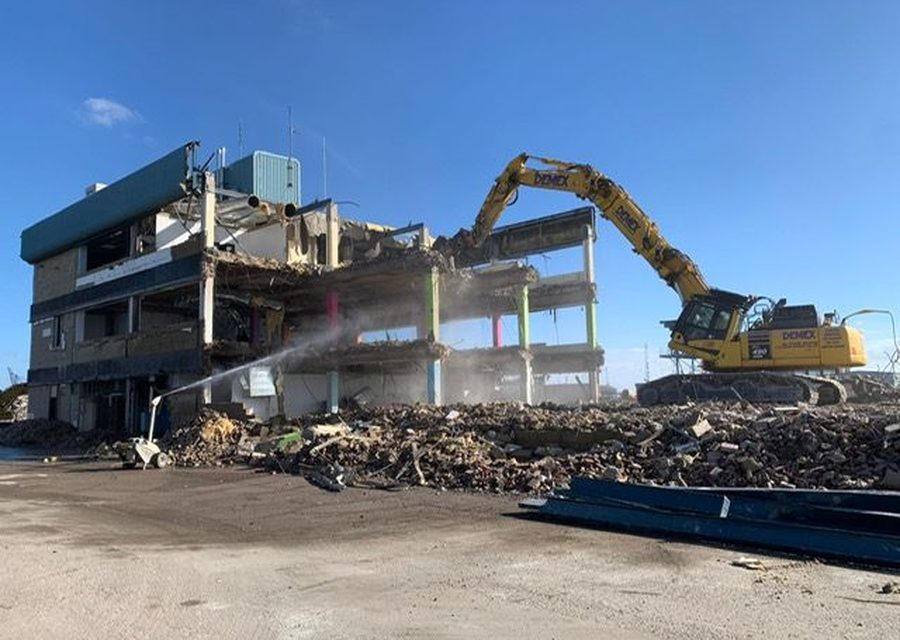
Demolition can generate significant quantities of valuable recoverable steel and other metals. How effectively these materials are separated and managed has a direct impact on the value recovered. By segregating materials as the structure is dismantled, we help maintain material quality, maximise recovery opportunities and ensure all tonnages are accurately recorded and traceable.
On-site segregation of ferrous and non-ferrous metals
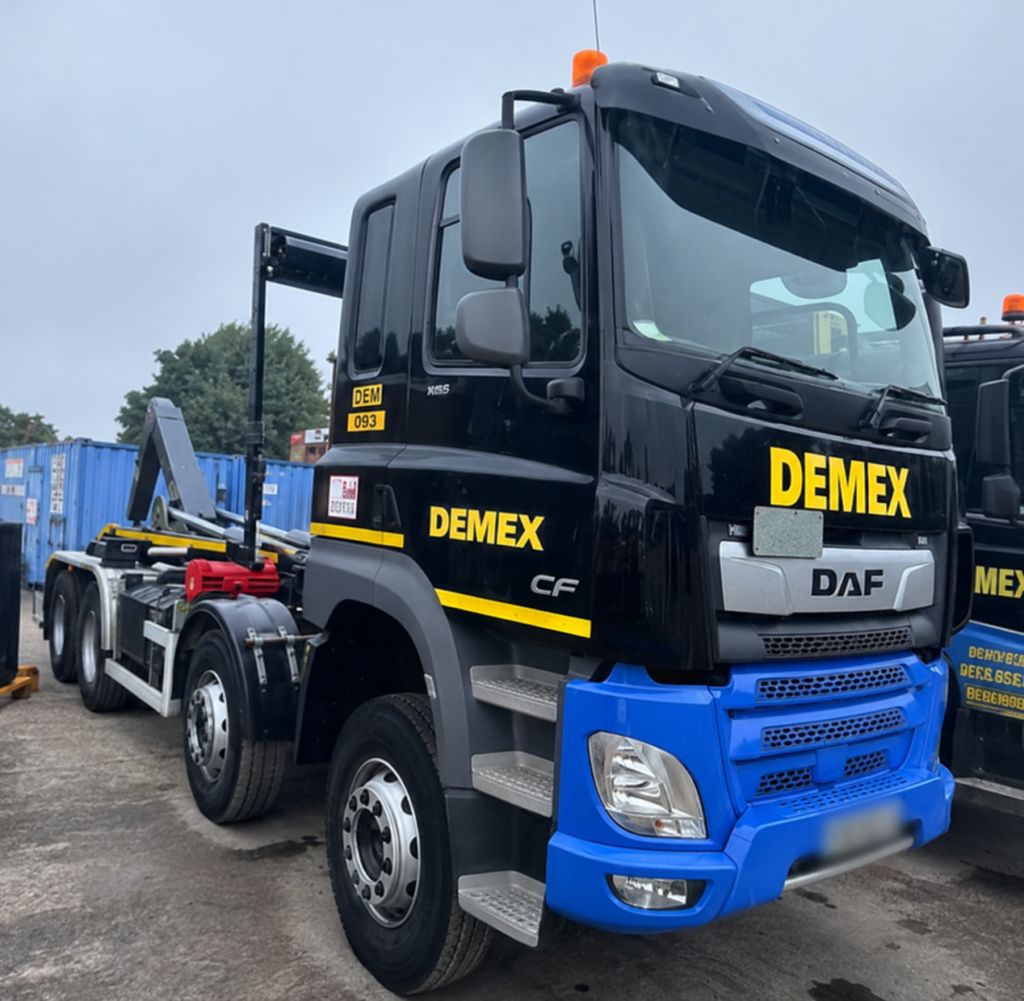
Structural steel and rebar are separated from non-ferrous materials such as copper, aluminium and lead as demolition progresses. Each material is segregated and stored separately before being transported for processing, with individual weighbridge tickets providing clear traceability and accurate records of recovered quantities.
Weighed, documented and credited to the contract
Recovered materials are processed through our in-house facilities and weighed using our own weighbridges, providing accurate records and supporting documentation for full transparency. The value of recovered materials is accounted for against the contract and reflected in the overall demolition cost.
Full traceability and transparent reporting
All recovered metals are weighed using calibrated weighbridges, with each movement supported by documentation detailing the material type, tonnage, date and receiving facility. This provides a clear audit trail, allowing recovered quantities and values to be accurately reconciled against the contract and reported to your own clients or funders.
Where projects have specific reporting requirements, including framework agreements or sustainability targets, we agree the format from the outset. This ensures accurate, consistent information is available throughout the project, without the need to reconstruct records at completion.
Integrated with the demolition programme
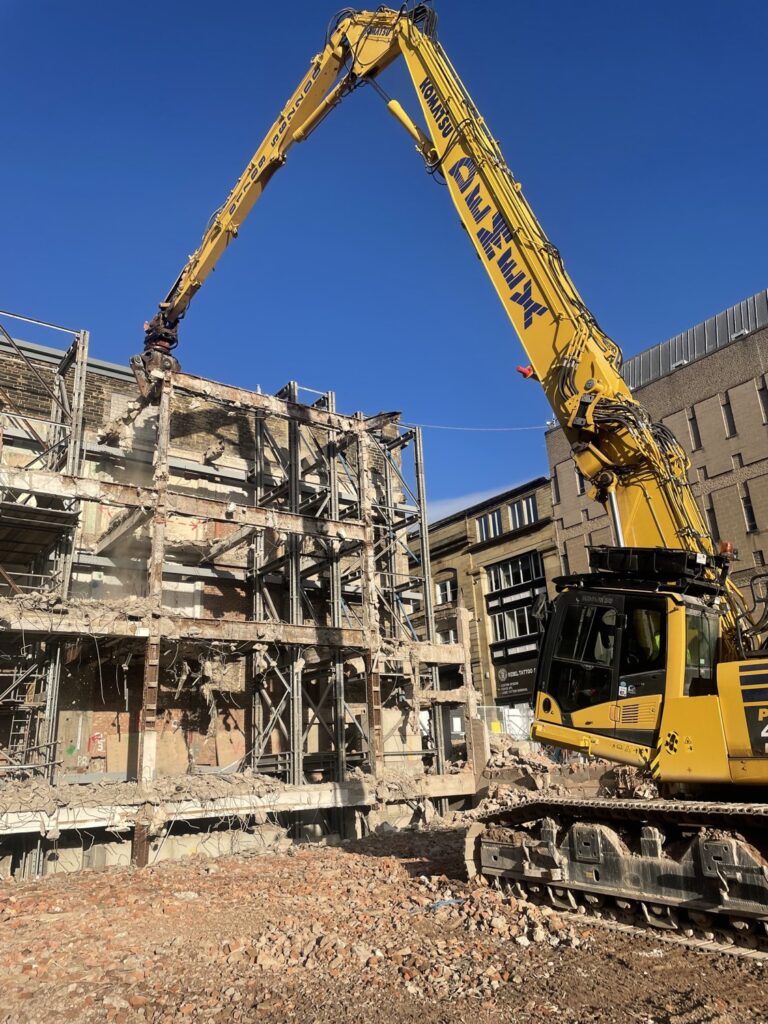
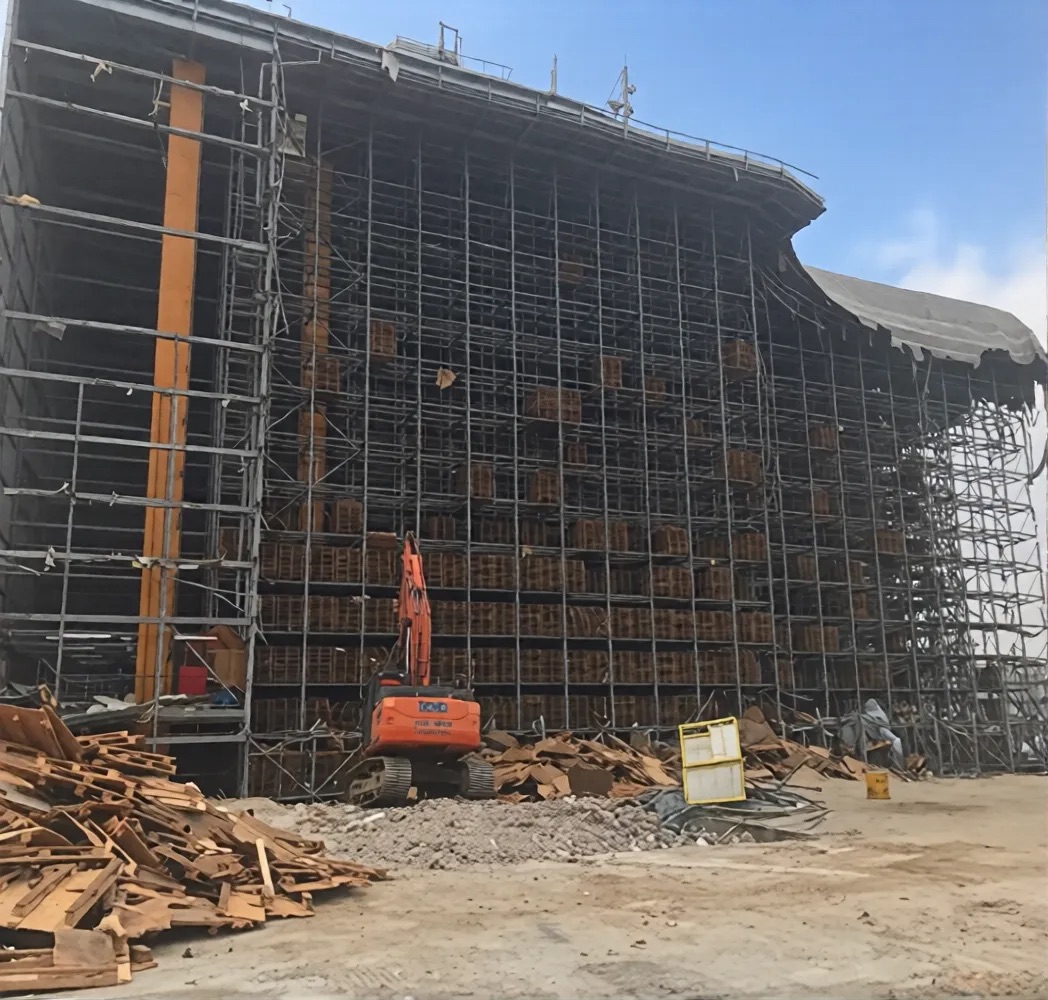
Material recovery is most effective when incorporated into the demolition programme from the outset. Structural steel is removed in a controlled sequence, designated stockpiling areas are established before demolition begins, and non-ferrous metals are segregated as they are exposed.
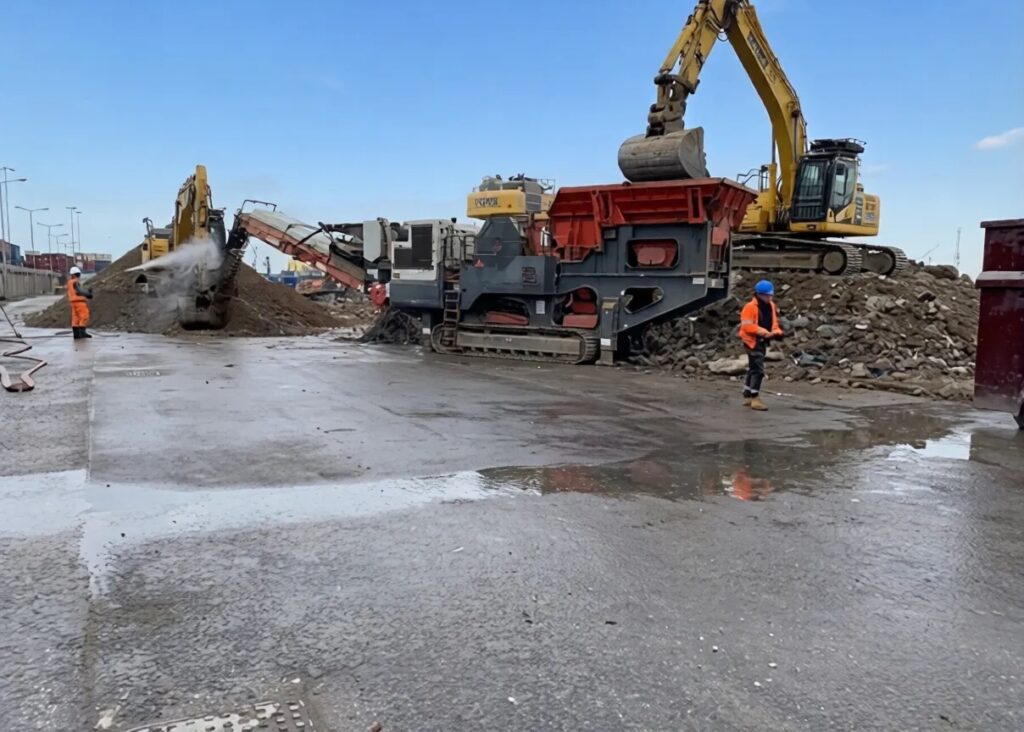
On larger projects, recovery activities are coordinated with crushing operations to ensure steel, recycled aggregate and residual waste are managed efficiently, with clear arrangements for each material stream. This integrated approach helps maintain an organised site, reduce unnecessary vehicle movements and maximise material recovery, with accurate records to evidence the results.
Where we work
Metal recycling across the UK
Material recovery is carried out on site, with recovered materials processed through our group facilities in South Yorkshire. This supports projects nationwide.
- Rotherham
- Sheffield
- Doncaster
- Barnsley
- Leeds
- Wakefield
- Bradford
- York
- Hull
- Manchester
- Liverpool
- Newcastle
- Nottingham
- Derby
- Birmingham
- London
Proof
Metal recycling projects
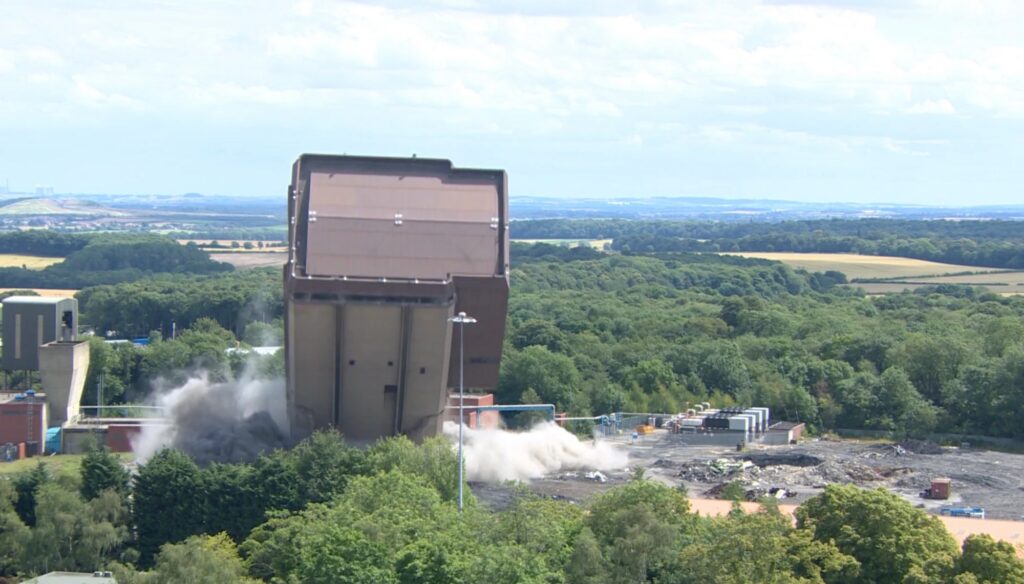
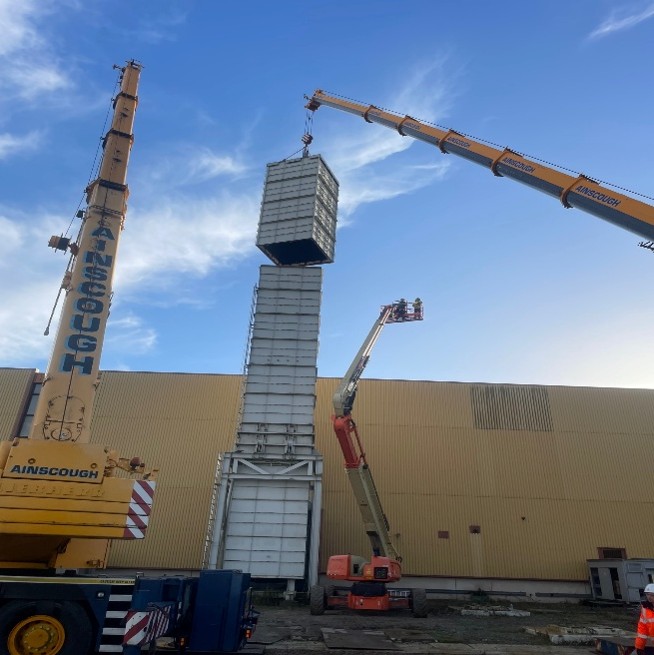
Questions
Metal recycling FAQs
Do I get the value of the metal?
Yes. Recovery is weighed, documented and set against the contract.
How is it weighed?
Through group weighbridges, producing tickets you can put in front of your own client.
What do you recover?
Structural steel, rebar and plant on the ferrous side, and copper, aluminium and lead on the non-ferrous side.
Is it separated on site?
Yes, as the structure comes down, rather than sorted at a transfer station afterwards where the value is harder to trace.
The rest of it